Janelle Riki-Waaka – six top tips for becoming a culturally confident, Tiriti-honouring business.
There’s never been such a critical time for businesses to work in a way that honours Te Tiriti. Here’s some tips from our BB kaiako, Janelle, on how to be a more conscious Aotearoa business in 2026.
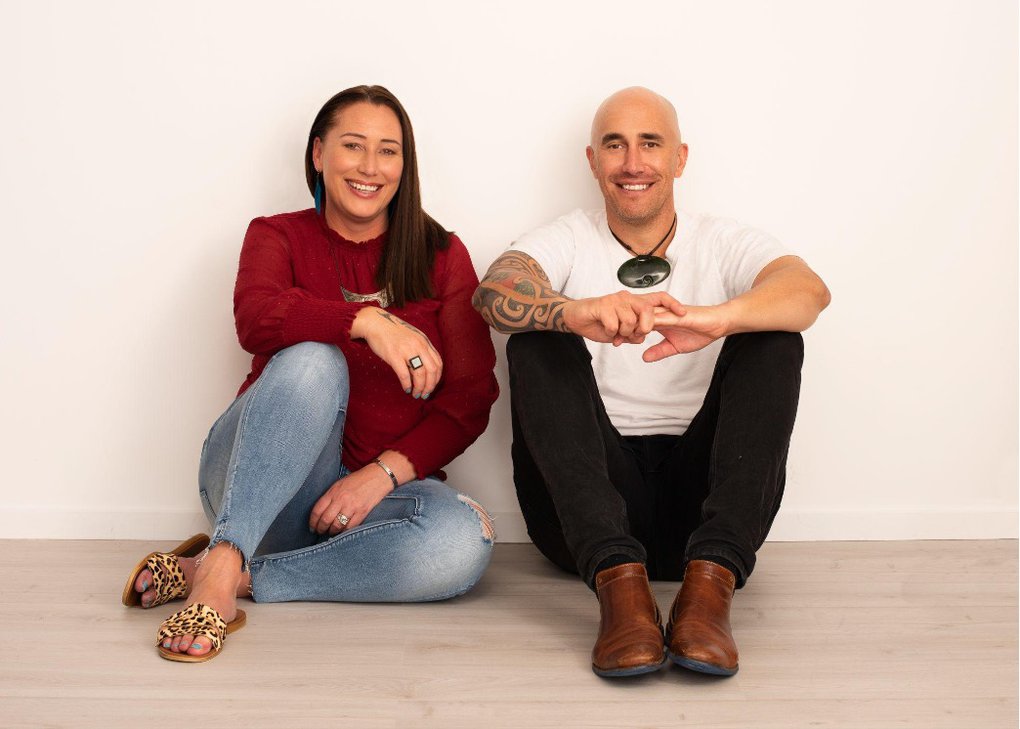
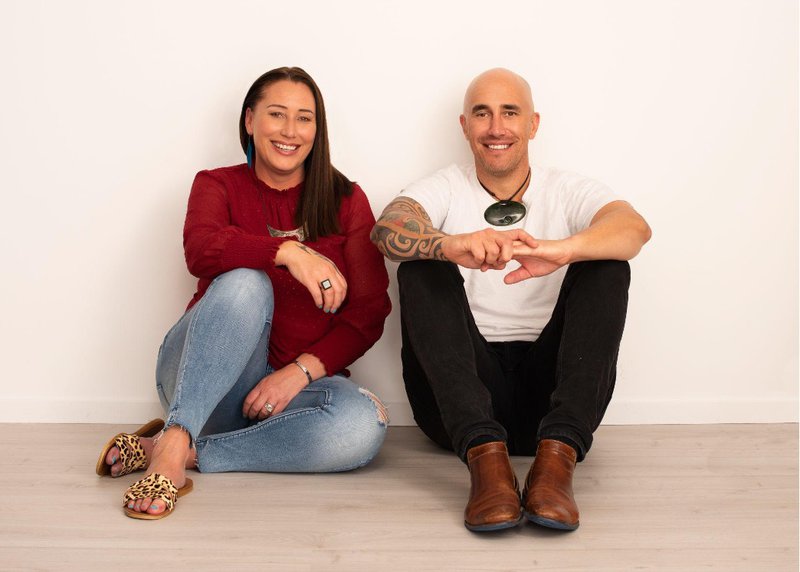
Janelle Riki-Waaka and Nathan Mahikai Riki, Riki Consultancy
Standing Tall in Our Aotearoa Identity
It’s fair to say the last few years have been turbulent and unpredictable, e hoa mā – especially when it comes to race relations and politics in Aotearoa New Zealand. For many of us, this has sparked a deeper, more intentional reflection on our beliefs, our values, and our aspirations for the future of our beautiful nation.
This time has certainly kept us here at Riki Consultancy busy. Our mahi is all about helping businesses in Aotearoa stand in their own identity – confidently, unapologetically, and in ways that honour Te Tiriti o Waitangi. We support people and organisations to grow their knowledge and practice in ways that reflect our unique Aotearoa identity. Nathan (my co-director and younger brother) and I feel privileged to do this mahi, and trust me – we’ve seen it all: the cautious first steps, the nervous laughter, the big “aha!” moments, and yes, the dreaded Pākehā Paralysis (don’t worry, it’s not fatal – and it’s definitely treatable).
So why does this matter? Because if you’re in business in Aotearoa, you’re already part of the cultural fabric of our whenua. You embody our Aotearoatanga here and now, and help shape our future. That comes with a responsibility: to be informed by our past, to carry the best of our cultural identity forward, and to wear that korowai with the mana it deserves.
Six Top Tips for Becoming a Culturally Confident, Tiriti-honouring Business
1. Get out of ‘tokenism land’ before the Pākehā Paralysis sets in.
You know that feeling – frozen on the spot, with an inner voice saying, “I don’t want to be tokenistic, I don’t want to get it wrong.” For many, this results in doing nothing at all. The good news? Your heart is in the right place – and it’s totally curable. I’ve been there too, parked up in ‘tokey land’, and I have lots of aroha for anyone stuck in that spot. The cure is simple: just do something.
Learn one new kupu Māori a week and use it. Attend a hui, even if you’re nervous. Add a little reo to your comms — even a simple ngā mihi counts. Just start, and then keep going. By definition, tokenism is “that thing you did that one time.” Don’t want to be tokenistic? Don’t be. Take small but genuine steps – daily, weekly, yearly. Movement is the key: not perfection, but connection. Then, challenge yourself to go deeper than surface gestures or simply seasoning your mahi with a Māori lens. Keep upping your game. Go hard. Give it heaps. Karawhiua! (← see what I did there?)
2. Be clear about what you want to achieve.
It’s not just about pronunciation (though please – do try). Cultural capability is about knowing how to walk with integrity in both te ao Māori and te ao Pākehā. It’s about building authentic relationships, honouring tikanga, and being brave enough to admit when you don’t know.
Culturally safe organisations should be a given, not a “nice to have”. Embodying our Aotearoa identity authentically is what makes our organisations unique – a taonga. Honouring the aspirations of our forebears for an equitable Aotearoa is something we should all strive for. Winning in business isn’t about how well we do – it’s about how positively the communities we serve are impacted.
3. This isn’t about ticking boxes – it’s about thriving.
What’s in it for you? Businesses that embed Te Tiriti o Waitangi and respectfully honour te ao Māori values tend to be more innovative, more connected, and frankly, more fun to work in. People want to belong to something bigger than profit margins. They want to belong to a whānau – one that shares their values and empowers them to be their best. Shared vision, organisational culture and identity make that possible.
Aotearoa is increasingly diverse. We are a multicultural nation founded on a bicultural agreement that provides a framework for equity for all. Meeting the needs of your people and communities is simply good business – and it requires stepping outside our comfort zones and co-designing organisational identities alongside those who will live them every day.
4. Kia tere – the next generation is on your doorstep.
Here’s the truth: rangatahi Māori coming through are bold, brilliant, and far more culturally confident than many of us were allowed to be. They’re growing up with kura kaupapa, kapa haka, te reo Māori on Netflix, and workplaces that pronounce their names correctly. They’ll expect your business to be culturally empowering – not “still figuring it out”.
The stats back this up. The Māori population is growing fast (projected to be around one in five New Zealanders by 2040), and the Māori economy is already worth over $126 billion –and climbing. Aotearoa’s greatest economic resource is the next generation. If your workplace isn’t ready for these confident, discerning leaders, you’ll struggle to attract and retain them. A ‘vanilla’ workplace won’t reflect the communities we serve – and that misalignment puts your organisation at risk. Being culturally empowering isn’t just the right thing to do – it’s future-proofing your business.
5. Ambicultural leadership is the way forward.
The leaders of the future won’t walk in just one cultural world – they’ll confidently navigate many. Ambicultural leadership is the ability to blend and balance different cultural values, practices, and ways of thinking.
Here in Aotearoa, that means weaving te ao Māori and te ao Pākehā together – drawing the best of both to make better decisions, build stronger teams, and connect more deeply with communities. It’s not about becoming an expert in someone else’s culture; it’s about integration, humility, and respect. Leaders who can do this will shape the most resilient, innovative, and trusted organisations in Aotearoa.
6. So, how do you get started?
As a nation, we have some unlearning to do – to make space for relearning. Foundational to this journey is understanding Te Tiriti o Waitangi and our shared history. Many of us weren’t taught this well, so starting with a Tiriti education session is crucial.
Next, do a pulse check. How culturally capable is your organisation? What’s your relationship with mana whenua? Are you clear on your Tiriti commitments? What expertise already exists in your team – and what’s the aspiration for your culture?
When your agenda is genuine and your willingness to learn is real, you’ll be welcomed with open arms and plenty of aroha. Mistakes are part of the journey – nau mai ngā hapa. You don’t need to arrive at the hāngī with your own packed lunch – just show up. Participation matters (second only to picking up the tea towel after kai!).
Finally, remember: this is a marathon, not a sprint. Progress matters more than perfection. Growth comes from discomfort. Play the long game – with each stretch, your confidence and your cheer squad will grow. Kia kaha.
Hei Whakakapi
This mahi is never about shame, blame, or finger-pointing. It’s about unity, lifting each other up, having a laugh at ourselves, and building businesses future generations will be proud of.
At Riki Consultancy, we believe in a future where every workplace in Aotearoa truly belongs here. So when the paralysis kicks in, remember: get everyone in the waka, map the destination together, pick up the paddle – and just start paddling. Ki te hoe. He waka eke noa.
Ehara taku toa i te toa takitahi, engari he toa takitini.
My strength is not that of mine alone, but that of many.
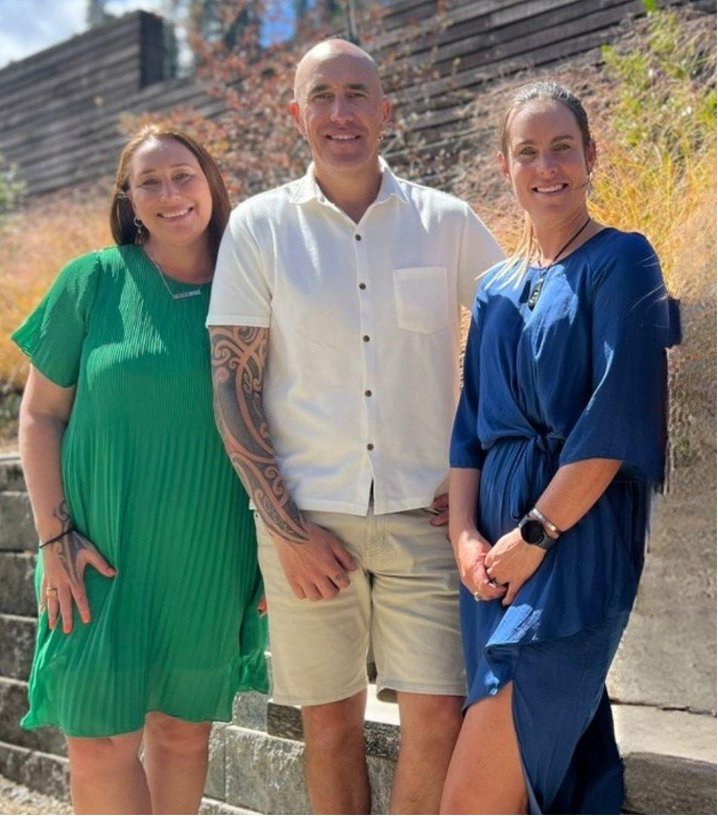
Janelle, Nathan and Mel
Riki Consultancy Ltd